


October Report Now Live
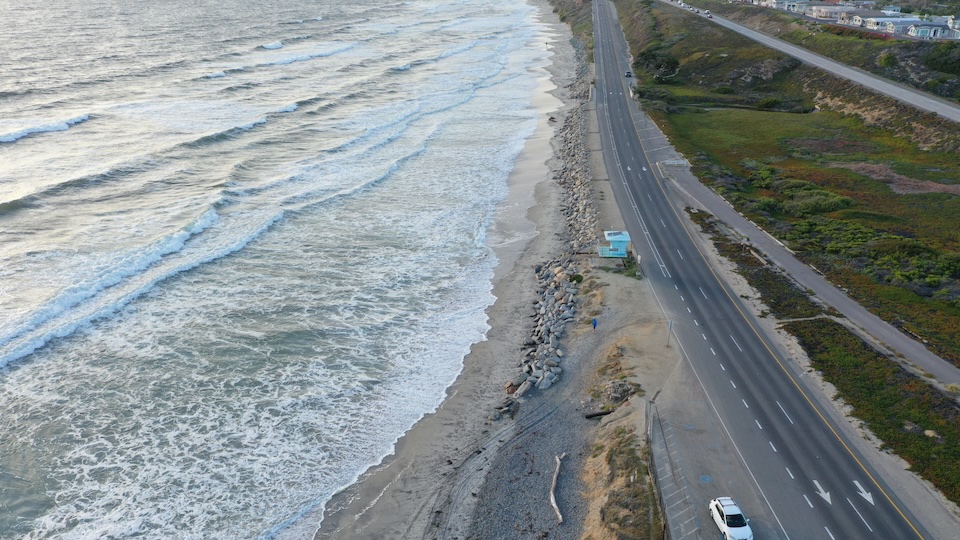
The Commission met in Oceanside October 7-9 and tackled a busy agenda that included the fallout from last month’s Hurricane Marie swells. Wednesday’s Orange County Deputy Director’s Report contained more than 30 emergency permits for coastal armoring. Most were for properties on Beach Road in Dana Point, where the Commission and property owners have been at odds over resilience planning for years. In San Clemente, up to 15,000 more tons of boulders were approved to protect the rail corridor, where 27,000 tons of previously placed emergency rock is already failing and a large stretch of public beach has been lost as a result.
Twenty-two people commented in opposition to OCTA’s continued emergency armoring and the loss of public beach that has come with it. Together, the comments made a clear case: armoring is failing to protect the tracks while destroying the beach, and sand on the beach is the only way to protect the rail in the near term. Surfrider joined the chorus, also questioning whether the rail corridor will last through the winter, let alone the 30 years OCTA has planned for. The follow-up CDP for all of OCTA's emergency armoring since 2021, as well as additional armoring requests, will come before the Commission at the November meeting. A recent Surfrider blog post details the damage done, and provides recommendations for a better way forward.

Emergency permits are issued by staff without a vote, but Commissioners still expressed concern and engaged with Executive Director Huckelbridge on the issue. Commissioner Escalante worried that too many coastal communities don’t understand beach dynamics, and decried years of vehement local pushback against long-term adaptation planning that has led to this onslaught of emergency permits. She fears the Commission will eventually buckle under the weight of emergency requests as sea levels rise. Commissioner Jackson asked “what’s really an emergency” when the problem is foreseeable and has been studied for years.
Muddying the waters further is Governor Newsom’s September 21 El Niño State of Emergency declaration, which directs the Commission to expedite review of developments that prepare for El Niño impacts and to act within 24 hours in urgent situations. A stronger declaration could go further and suspend the Coastal Act entirely, eliminating its already-thin safeguards against emergency armoring. Ahead of an October 16 deadline for the state’s environmental and natural resources agencies to advise the Governor on whether further action is needed, Surfrider submitted a letter opposing any suspension of the Coastal Act for “manufactured emergencies” caused by failure to plan for foreseeable events. The letter also asks for resources to prioritize softer near-term solutions and longer-term sea level rise planning.
Thursday’s main event was the City of Carlsbad’s LCP Update, which included a controversial rezone of Planning Area F at Ponto, one of two remaining undeveloped coastal parcels where coastal recreation could relocate as sea levels rise. More than 90 people signed up to speak, all but one in opposition. The Commission majority approved the update, including the rezone for 120 rental homes with 24 affordable units. Four Commissioners voted no.
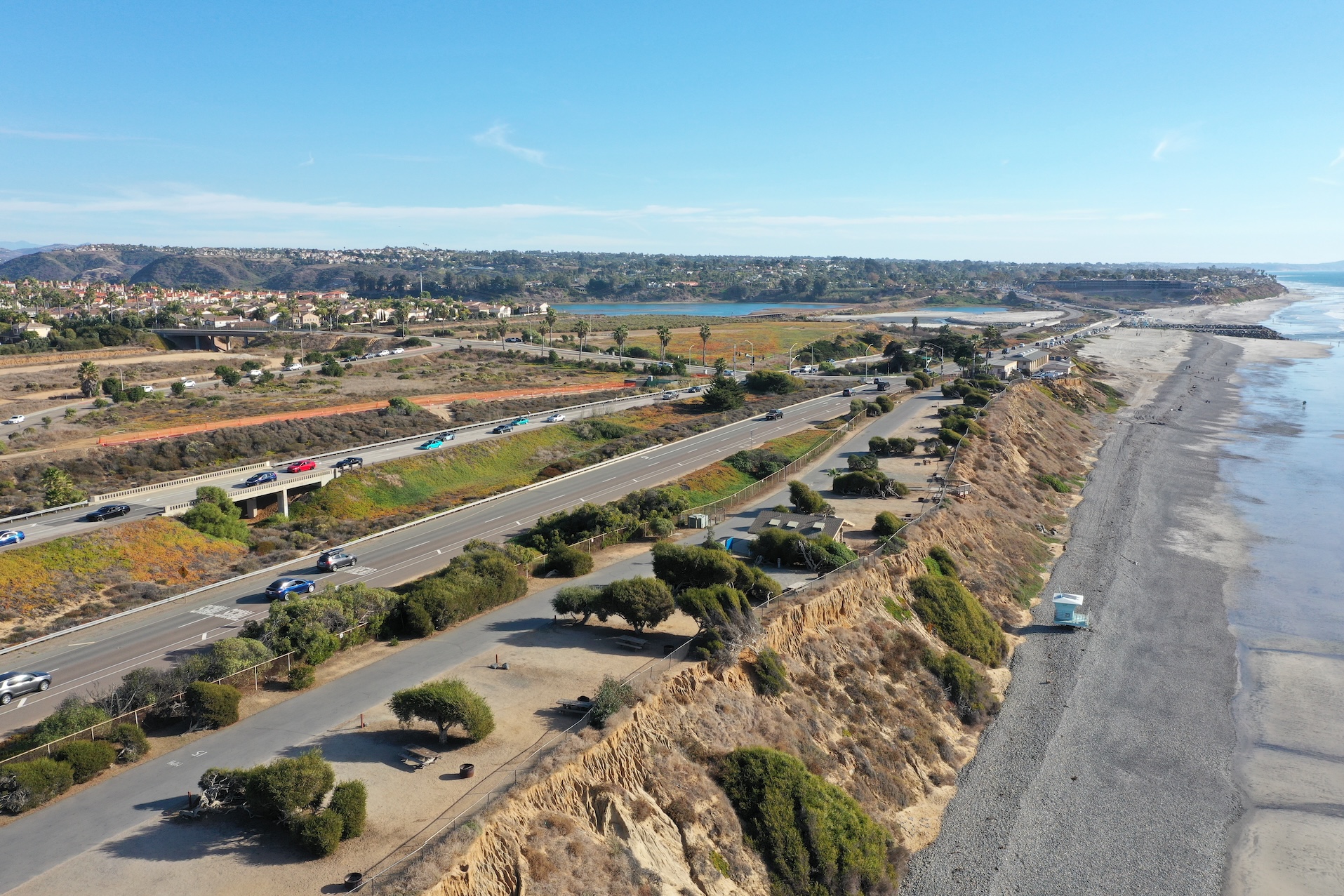
Surfrider also weighed in on a separate Carlsbad emergency armoring permit, where the City has studied a viable managed retreat option but hasn’t yet mustered the political will to commit. Instead, it has relied on multiple rounds of emergency boulders to protect a road that can be moved. The City has twice sought to extend its deadline for a long-term hazards plan, most recently in July, and Surfrider correctly predicted it would be back for more emergency armoring soon.
On Friday, the Commission approved a solid Phase 1 LCP Update from Pismo Beach. Unlike Carlsbad’s, it strengthened protections for open space without a controversial rezone that would shut the door on future coastal adaptation. The Commissioners earned a Pro-Coast vote.